
Coordinated Property Projects · Property tips
Planning Repairs and Improvements for Your Business
Work out the job list, access and trades before work starts. A clear plan helps keep everyone on the same page.
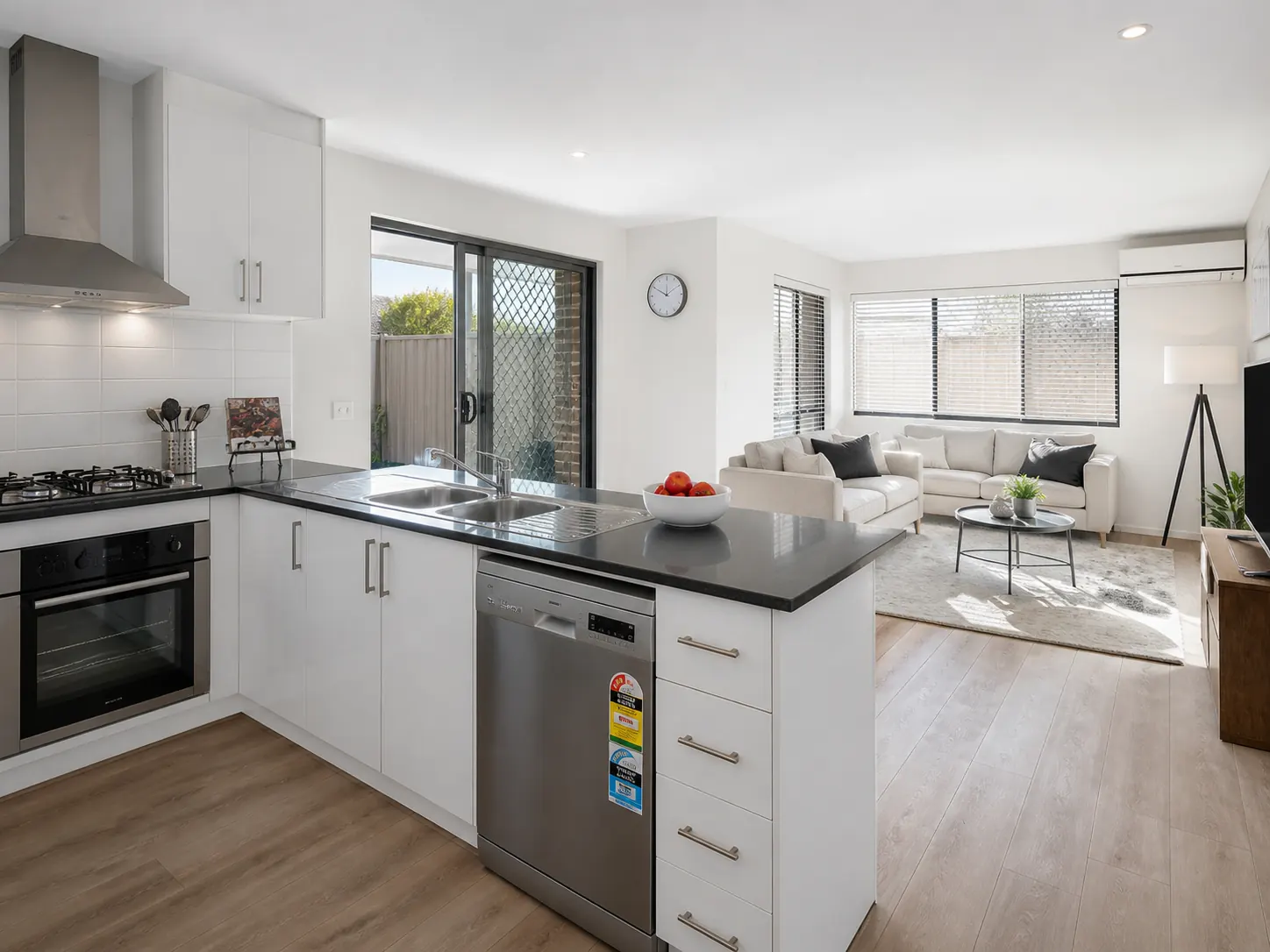
Commercial property improvements need to support the way the organisation operates as well as the physical work itself. A useful brief therefore covers the intended outcome, site constraints, decision-makers, how the trades work together and the evidence required when the work is complete.
The first step is not choosing finishes. It is defining a scope that everyone can understand and assess.
Start With the Operational Outcome
Describe what the property or tenancy needs to support after the work is complete. An office, retail tenancy, hospitality venue and community facility can have very different requirements for circulation, storage, lighting, security and future maintenance.
Record:
- Who uses the space and when
- Public, staff and restricted areas
- Furniture, equipment and storage requirements
- Known power, data, plumbing, lighting or security needs
- Cleaning, maintenance and future access considerations
- Any fixed opening, event, lease or finish date
This creates a practical basis for deciding what belongs in the project and what still needs specialist advice.
Confirm the Property Constraints
Commercial sites often introduce conditions that are easy to miss during an initial conversation. Building-management rules, delivery routes, lift bookings, noisy-work windows, occupied areas and service-isolation procedures can all affect the sequence and cost.
Useful early information includes:
- Existing plans, photos and approximate dimensions
- Building-manager or landlord requirements
- Access hours, loading arrangements and parking restrictions
- Areas that must remain operational
- Known hazardous materials, damage or previous alterations
- Required protection, waste removal and daily clean-down arrangements
An initial review can identify the questions, but it does not replace site assessment, approvals or specialist investigation where those are required.
Allocate Decisions and Responsibilities
The tenant, owner, property manager, building manager, designer and specialist trades may each control part of the process. Before work starts, record who can approve:
- The final scope and commercial terms
- Products, finishes and substitutions
- Site access and service interruptions
- Variations and additional work
- Completion, defects and finish
Work that requires a licence, approval, certification or specialist assessment must follow the appropriate pathway. ARY’s role is to define and coordinate the agreed property scope, with licensed trade coordination where required; it is not a substitute for a builder, certifier, designer or regulated trade where the project requires one.
Build a Sequence Around Dependencies
The sequence should reflect existing conditions, product lead times and the information each workstream needs from the one before it. A practical review asks:
- What must be measured, investigated or approved before ordering?
- Which services need access before walls, cabinetry or finishes are closed?
- Which completed surfaces need protection from later activity?
- What needs testing, certification or sign-off?
- Can the work be staged to reduce disruption to the property?
A written sequence also makes it easier to identify when a delayed selection or approval will affect the rest of the program.
Define Handover Before Work Begins
Handover is more than leaving the area tidy. Depending on the agreed scope, final checks may include:
- Completion checks and an outstanding-items record
- Cleaning and removal of agreed waste
- Keys, remotes or access items
- Product, care or warranty information supplied by manufacturers or trades
- Photos and scope records
- Required certificates or specialist documentation
- Clear ownership of any remaining item
Agreeing on the required evidence early allows it to be collected during delivery rather than reconstructed at the end.
Information to Send for an Initial Scope Review
Send the property location, intended use, desired outcome, target timing, photos, available plans, access conditions and known specialist requirements. Include the decision-makers and any landlord or building-management process already provided.
ARY Property Maintenance supports suitable commercial property improvements and coordinated property projects across Canberra and Queanbeyan. The next step may be a desktop review, site assessment or referral to an appropriately licensed professional, depending on the property and proposed work.