
Property Maintenance & Repairs · Property tips
Broken Fittings: When to Ask for Help
A loose handle or damaged fitting may need a small repair. Some jobs need the right tools or a licensed trade.
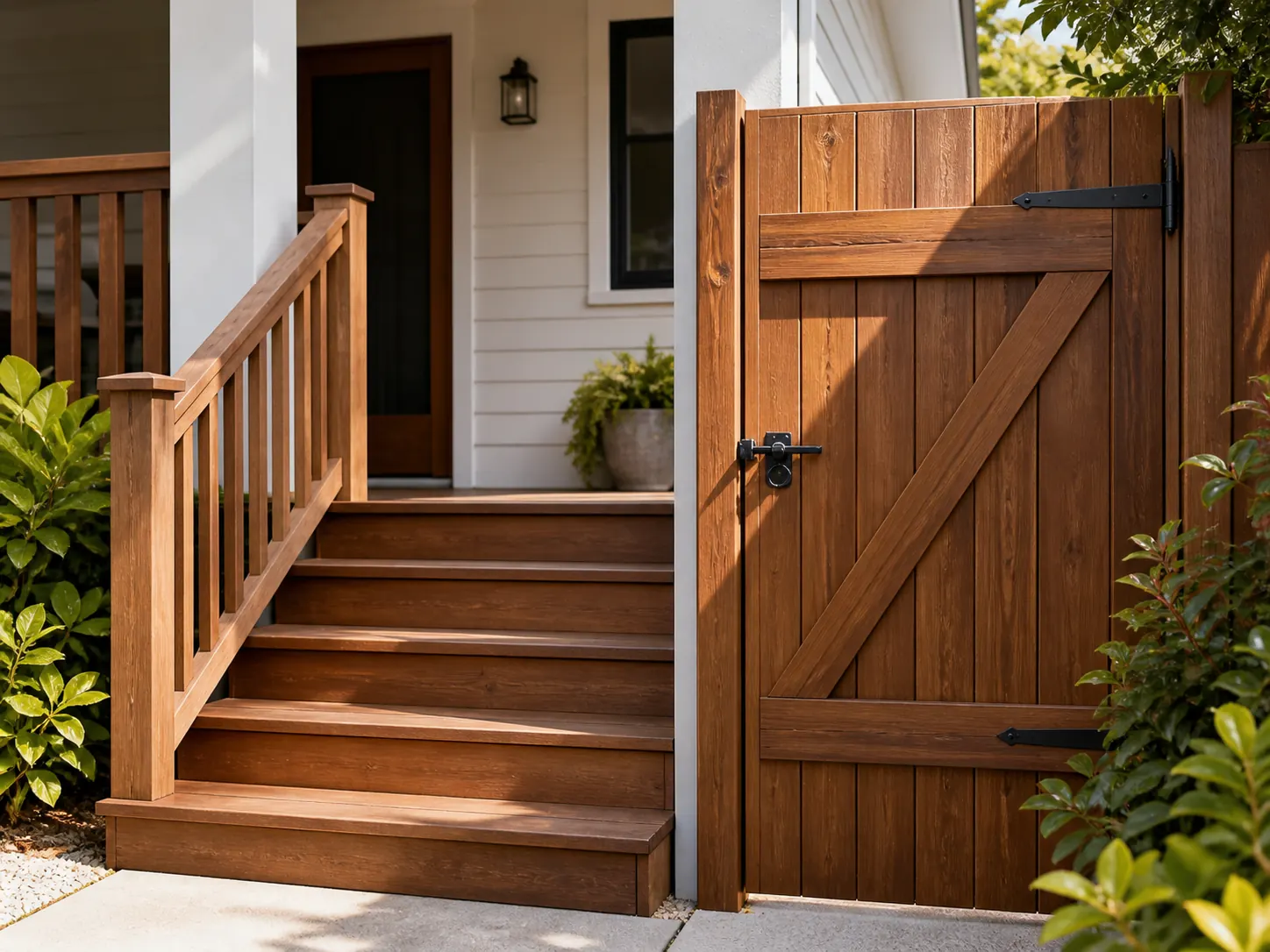
Doors, blinds, shelving, handles and other property fixtures can develop small problems through use, movement or unsuitable fixings. The visible symptom does not always reveal the cause, so the safest starting point is a short assessment rather than an immediate repair attempt.
Begin With a Safe Visual Check
Before touching the item, record what has changed and whether there is an immediate safety concern.
Check:
- Whether the item is loose, cracked, distorted or pulling away from its fixing point
- The wall, door, frame or surface supporting it
- Whether water, live electrical components, gas, glazing or structural movement may be involved
- When the problem first appeared and whether it is getting worse
- Product labels, dimensions and any available installation information
Clear photos from the front, side and fixing points make it easier to decide whether the work is suitable for general property maintenance or needs a specialist pathway.
Adjustment and Maintenance Items
Some issues may only require adjustment or replacement with a like-for-like component. Examples can include a loose non-electrical handle, an accessible hinge that needs adjustment, a misaligned latch or a removable blind component.
Even with a simple item, stop if the supporting material is damaged, the fixing will not hold, the product is unusually heavy or the repair would affect a regulated service. Repeated loosening often indicates that the underlying wall material or original fixing needs assessment rather than another quick tightening.
Wall-Mounted Fixtures Need a Load Path
Shelves, mirrors, cabinets, rails and screens rely on both the fixing and the material behind the finished wall. Plasterboard, timber framing, steel framing, masonry and sheet products need different fixing approaches. The weight of the item is only part of the question; leverage, movement, people pulling on the item and the condition of the wall material also matter.
A professional scope should confirm the fixture, expected load, mounting points, wall construction and any hidden pipes and wiring before installation or repair.
Water, Electrical and Other Regulated Interfaces
A maintenance provider can help document the problem and coordinate the next step, but work involving active plumbing, fixed electrical wiring, gas, structural elements or another regulated system may require an appropriately licensed trade.
Examples that should be assessed carefully include:
- Leaks or tapware connected to active plumbing
- Light fittings, switches, power points or concealed wiring
- Fixtures fixed near known electrical or plumbing services
- Damage that may involve structural movement, waterproofing or hazardous materials
Do not dismantle or test a live service to diagnose a fixture problem. Isolate the area if it is unsafe and use the appropriate emergency or licensed-trade to contact.
Group Related Property Items Into One Scope
For owners and property managers, a documented list is usually more efficient than treating every item as an unrelated call-out. Group the work by room or property area and include:
- One photo and short description for each item
- Approximate dimensions and quantities
- Access arrangements and occupant constraints
- Any preferred replacement product
- The required completion date
The list can then be separated into suitable maintenance work, product decisions and licensed-trade requirements before attendance.
ARY Property Maintenance assesses and completes suitable property maintenance and fixture work across Canberra and Queanbeyan, with licensed trade coordination where required. Share the property details and photos, and ARY will confirm the appropriate next step before work is booked.