
Coordinated Property Projects · Property tips
Planning a Job That Needs Several Trades
Agree on the work, who is doing each part and the order of visits before you start.
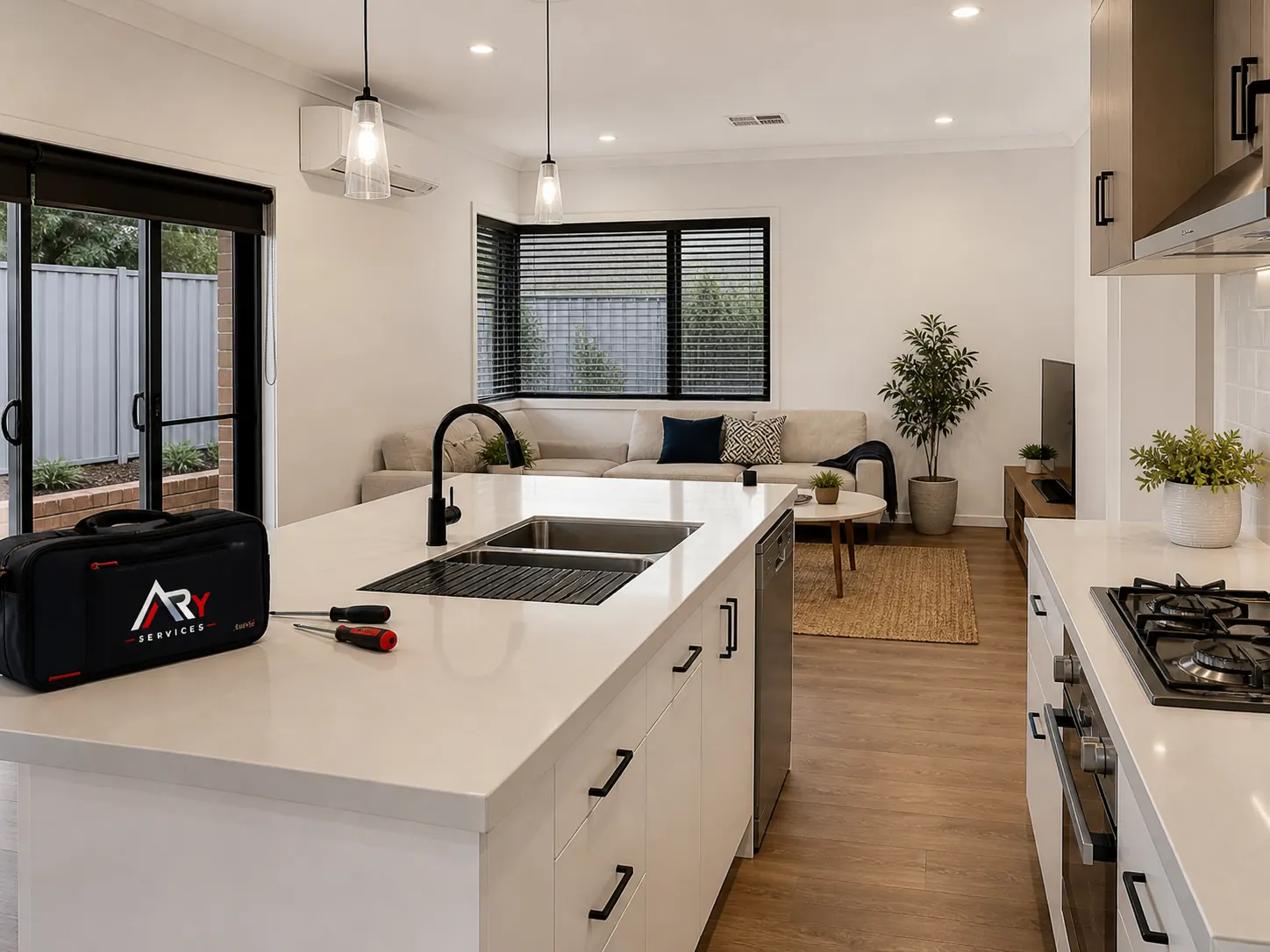
A coordinated property improvement can involve several connected parts of the job. Preparation may affect finishes, services may affect cabinetry or wall access, and flooring may need to wait until earlier work is complete. A clear scope makes those interfaces visible before time and materials are committed.
This article is about planning and coordination for suitable property-improvement work. It is not a substitute for architectural, engineering, certification or licensed building and trade advice where the proposed work requires those services.
Start With the Intended Outcome
Describe what the property or space needs to do when the work is complete. A list of products is useful, but it does not replace the functional brief.
Define:
- Who will use the space
- What is not working now
- Which elements must remain
- Which decisions have already been made
- What a successful finish needs to include
This separates essential requirements from preferences that can still change without disrupting the project.
Record the Existing Conditions
Photos, approximate dimensions and access notes provide useful context. They do not replace an assessment, but they help identify questions before the scope is finalised.
Useful information includes:
- Clear photos of every affected wall, floor and ceiling area
- Existing fixtures and visible service locations where relevant
- Parking, lift, stair and delivery access
- Occupied areas that must remain usable
- Known damage, moisture, movement or previous repair work
Any structural, electrical, plumbing, gas, security or other regulated requirement needs the appropriate licensed pathway. Depending on the proposal, planning, building, landlord, strata or building-management approval may also be required and should be confirmed before work begins.
Separate Scope Decisions From Product Decisions
The scope defines what will be changed and who is responsible. Product selections define the exact item, finish, lead time and installation requirement. Mixing those together can hide an unresolved decision.
A practical schedule should identify:
- Confirmed selections
- Allowances still to be decided
- Client-supplied items
- Contractor-supplied items
- Long-lead products
- Items that need site verification before ordering
Confirm the Delivery and Approval Pathway
Before treating the work as one coordinated project, confirm which parts are suitable property maintenance or improvement work and which parts require another professional. Record:
- Who owns the design and specification
- Which approvals or permissions are required
- Which work must be performed or certified by a licensed trade
- Who is responsible for product selection and ordering materials
- Who can approve variations
- What completion evidence is required
ARY can coordinate an agreed property-services scope and licensed trades where required. Where the work requires a licensed builder, building surveyor, designer, engineer or another regulated professional, that role must be separately identified and appointed through the appropriate pathway.
Plan the Work Sequence
The order of work should protect completed surfaces and avoid unnecessary repeat access. The exact sequence varies by property, but the planning question remains the same: what must be complete before each workstream begins, and what does the next workstream need afterward?
The sequence should include decisions, approvals, ordering materials, access, preparation, specialist work, finishes, completion checks and finish—not only the days when physical work occurs.
Define Access and Site Responsibilities
Occupied homes, apartments and commercial properties need clear expectations for access, noise, dust, storage, waste removal and daily site condition. These practical details can influence the program as much as the physical work.
Prepare for a Useful First Discussion
Send the property location, intended outcome, approximate timing, budget range, photos and any drawings or references. Identify fixed deadlines, property-management requirements and decisions that are still open. That gives the provider enough context to recommend an assessment, define a suitable scope or identify the specialist pathway needed before quoting.
ARY Property Maintenance supports suitable property improvements and coordinated property projects across Canberra and Queanbeyan. Scope, responsibilities, approvals and licensed trade requirements are confirmed for the specific property before delivery is agreed.